Get Residential Roof Replacement
Residential roof replacement services involve local contractors removing old roofs and installing new ones to address leaks, damage, or wear, ensuring safety and durability.
If you're considering a residential roof replacement, you're in the right place to explore your options. Property owners often look into roof replacement to enhance the durability and safety of their homes, especially when facing aging materials, weather-related wear, or structural concerns. Planning such a project involves comparing local contractors to find the right fit for your specific needs, ensuring the work aligns with your property’s requirements and long-term goals. Staying informed about your choices can help make the process smoother and more manageable.
Finding experienced local service providers who specialize in residential roof replacement can provide valuable insights and tailored solutions. By reviewing and comparing different contractors in the area, property owners can better understand the scope of work involved and select professionals best suited to handle the project efficiently. Continuing to explore your options ensures you have the information needed to make confident decisions about your home's roof replacement.
- Residential Roof Replacement - Needed when a roof has extensive damage or aging that cannot be repaired effectively.
- Shingle Roof Replacement - Suitable if shingles are curling, missing, or have significant wear.
- Flat Roof Replacement - Required for flat or low-slope roofs that have persistent leaks or membrane deterioration.
- Asphalt Roof Replacement - Recommended when asphalt shingles have reached the end of their lifespan or are severely damaged.
- Tile Roof Replacement - Necessary if tile roofs are cracked, broken, or have experienced structural issues.
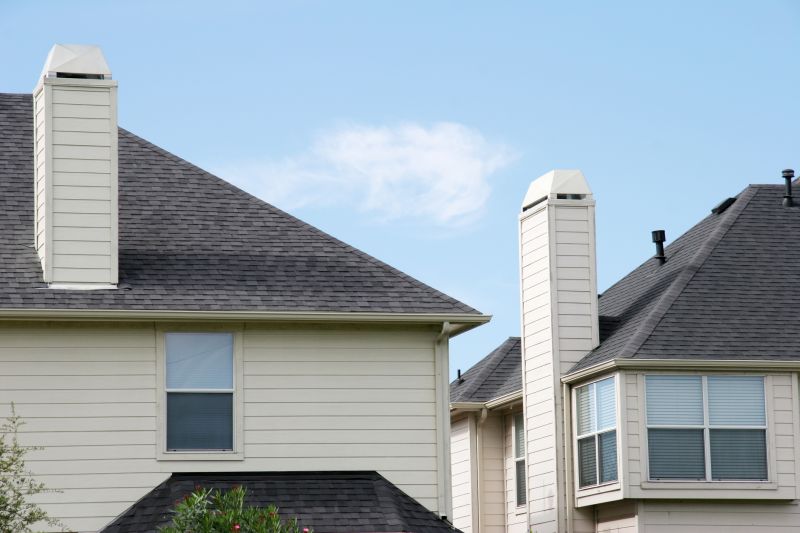
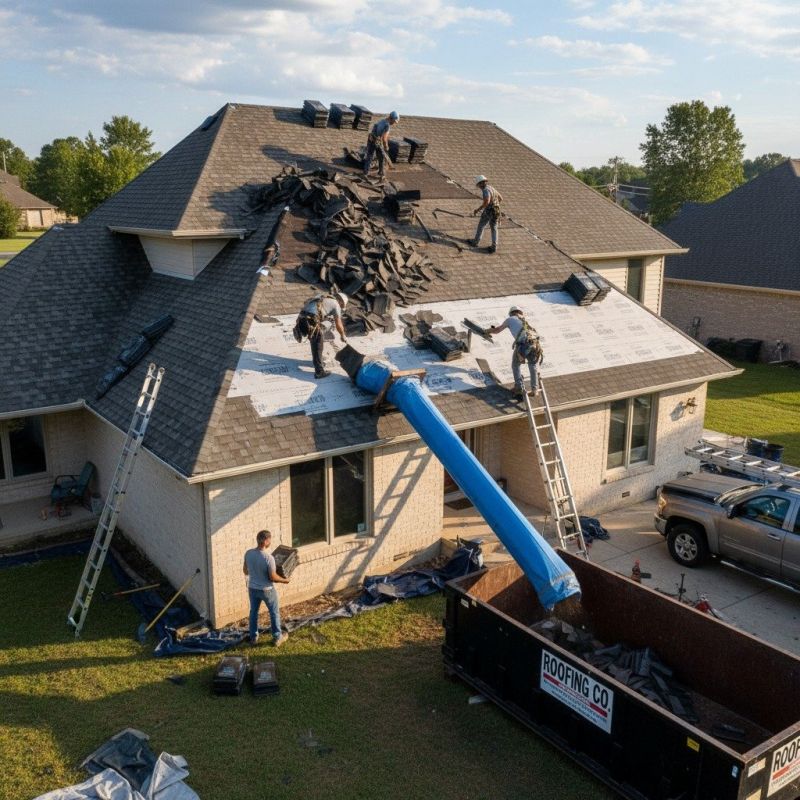
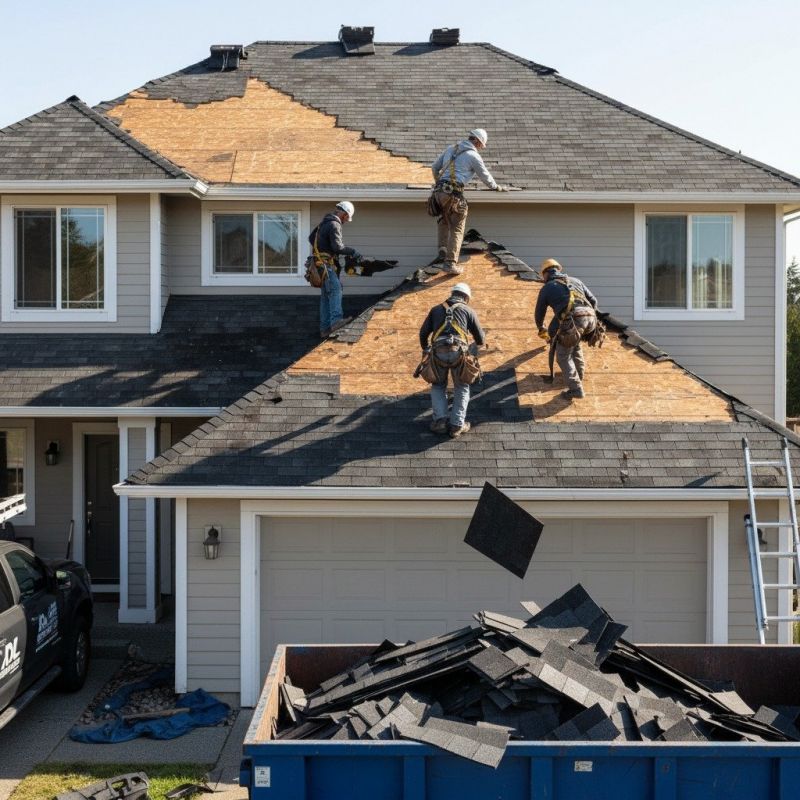
Residential roof replacement services involve removing an existing roof and installing a new one to ensure the home remains protected from the elements. This process typically includes inspecting the current roof, removing old materials, repairing any underlying damage, and carefully installing durable roofing products. Homeowners seeking this service often want to improve their property's appearance, enhance energy efficiency, or address issues caused by aging or weather-related wear and tear. Skilled local contractors can handle every step of the replacement, ensuring the new roof provides long-lasting protection and complements the home's style.
Many common problems lead homeowners to consider roof replacement. These include persistent leaks, missing or damaged shingles, extensive cracking, or signs of rot and mold. Over time, exposure to sun, wind, rain, and snow can weaken roofing materials, reducing their effectiveness and increasing the risk of interior damage. An aging roof may also cause higher energy bills due to poor insulation or ventilation. Replacing the roof can help solve these issues by restoring the home's structural integrity, preventing water intrusion, and improving overall safety.
This service is often used on a variety of property types, including single-family homes, condominiums, and multi-family residences. Homes located in areas with harsh weather conditions or those with older roofing materials are more likely to need a replacement. Additionally, properties that are preparing for sale or renovation may benefit from a new roof to boost curb appeal and value. Local contractors experienced in residential roof replacement understand the specific needs of different property styles and can recommend suitable materials and designs to match the home’s architecture.
Homeowners should consider roof replacement when signs of significant damage or aging become apparent. Common indicators include visible sagging, curling or missing shingles, water stains on ceilings, or a roof that’s more than 20 years old. Addressing these issues promptly with the help of experienced local service providers can prevent more costly repairs down the line and ensure the home remains safe and secure. Contacting reputable contractors for a professional assessment can help determine if a roof replacement is the right solution for maintaining the property's value and integrity.
The overview below groups typical Residential Roof Replacement projects into broad ranges so you can see how smaller, mid-sized, and larger jobs often compare in your area.
In many markets, a large share of routine jobs stays in the lower and middle ranges, while only a smaller percentage of projects moves into the highest bands when the work is more complex or site conditions are harder than average.
Smaller Repairs - minor roof repairs or replacements of small sections typically cost between $250 and $600. Many routine jobs fall within this range, especially for straightforward repairs on simple roof designs.
Partial Replacement - replacing a section of the roof or addressing multiple damaged areas usually ranges from $1,000 to $3,000. Larger projects of this type are less common but still represent a significant portion of typical work.
Full Roof Replacement - a complete roof replacement for average-sized homes generally costs between $5,000 and $12,000. Many local contractors handle projects in this range, with higher costs for larger or more complex roofs.
High-End or Complex Projects - larger, more intricate roof replacements with premium materials can reach $15,000 or more. Fewer projects fall into this highest tier, which often involves custom designs or extensive structural work.
Actual totals will depend on details like access to the work area, the scope of the project, and the materials selected, so use these as general starting points rather than exact figures.
Roof Inspections - Professionals performing roof inspections assess the condition of existing roofing systems, requiring similar skills in safety, access, and detailed evaluation as residential roof replacements.
Roof Repairs - Repair projects involve identifying damage and applying appropriate fixes, sharing tools and planning processes with full roof replacement services.
Gutter Installation and Replacement - Installing or replacing gutters requires knowledge of roofing structures and planning for proper water drainage, paralleling the skills used in roof replacement.
Attic Insulation Installation - Adding insulation involves working within the roof structure and understanding roofing components, aligning with the planning required for roof replacement projects.
Skylight Installation - Installing skylights involves precise cutting and sealing within roof structures, utilizing skills similar to those needed for effective roof replacement.
Roof Ventilation Systems - Installing or upgrading ventilation requires familiarity with roofing frameworks and planning, similar to the processes involved in residential roof replacement.
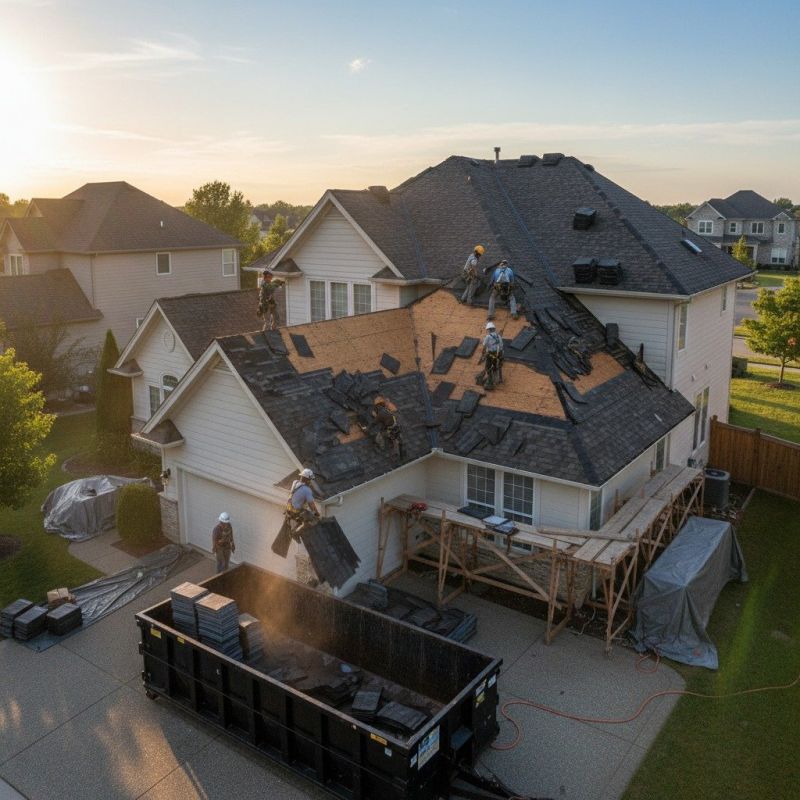
When comparing service providers for residential roof replacement, it’s important to consider their experience with projects similar to your own. Homeowners should look for local contractors who have a history of successfully completing roof replacements in their area, as this often indicates familiarity with regional building codes, weather conditions, and common roofing challenges. A contractor’s track record with comparable projects can provide insight into their capabilities and the quality of work they deliver, helping homeowners make more informed decisions.
Clear, written expectations are essential when evaluating potential service providers. Reputable local contractors typically provide detailed proposals that outline the scope of work, materials to be used, and any relevant warranties or guarantees. Having this information in writing helps ensure that both parties understand what is included in the project, reducing the likelihood of misunderstandings or surprises later on. Homeowners should seek out providers who communicate their process clearly and are willing to answer questions about the specifics of the job.
Reliable references and good communication are key factors in selecting a trustworthy service provider. Reputable local contractors can often supply references from previous clients who had similar projects completed. Speaking with past customers can offer valuable insights into the contractor’s professionalism, reliability, and quality of work. Additionally, effective communication throughout the process - including prompt responses and transparency - can make the experience smoother and more predictable. It’s important to choose a local pros who prioritize clear dialogue and are responsive to questions or concerns, ensuring a positive overall experience.
Property owners use Residential Roof Replacement services for practical projects around their homes and businesses. This guide focuses on everyday jobs and straightforward project options.
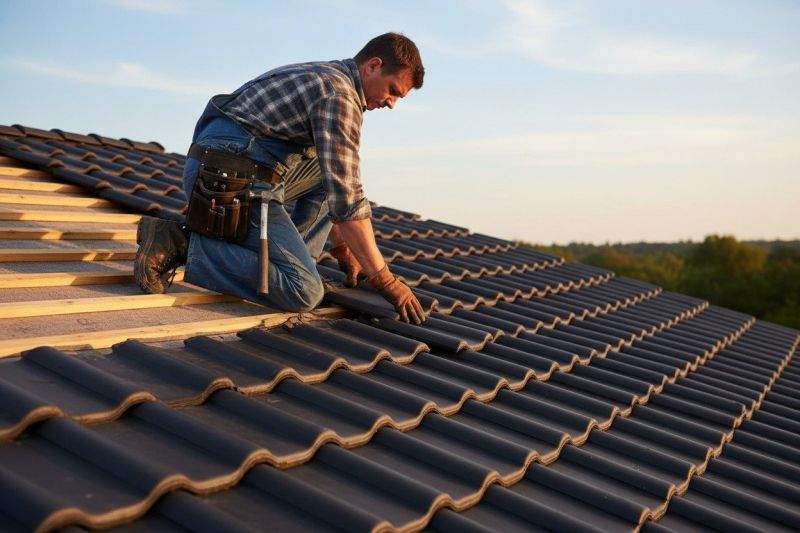
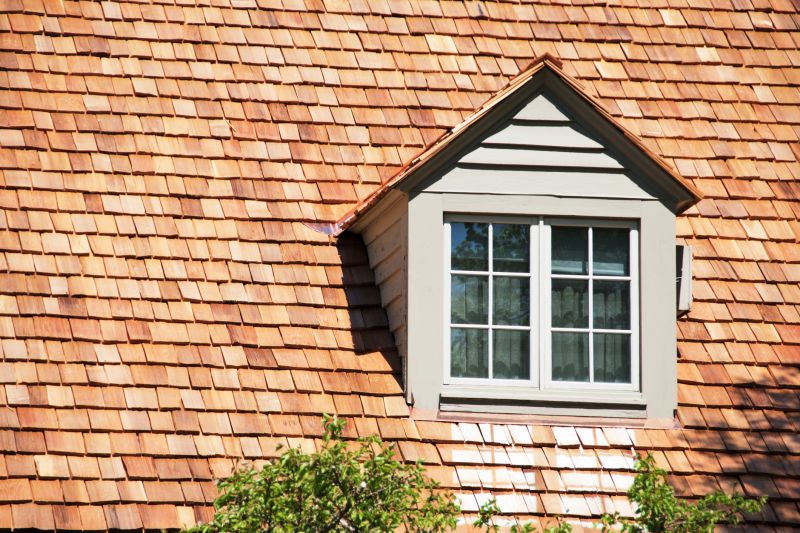
Residential roof replacement services are often needed when property owners notice signs of aging or damage, such as leaks, missing shingles, or visible wear and tear. Over time, weather exposure and natural deterioration can compromise a roof’s integrity, making replacement a practical solution to protect the home’s structure and interior. Local contractors are available to assess these issues and provide options tailored to the specific needs of each property, ensuring that homeowners can maintain the safety and value of their homes.
Homeowners might also seek roof replacement after experiencing severe weather events, like storms or heavy snowfall, which can cause significant damage. Additionally, older roofs that have reached the end of their lifespan or do not meet current standards may require replacement to improve energy efficiency and overall performance. Service providers in the area specialize in handling these projects, offering the expertise needed to replace roofs efficiently and effectively, helping property owners restore their homes’ protection and curb appeal.
What are the signs that a roof needs replacement? Indicators include missing or damaged shingles, persistent leaks, excessive granule loss, and visible sagging or deterioration of roof materials.
How do local contractors handle residential roof replacements? They typically assess the roof's condition, recommend suitable materials, and perform the replacement following industry standards and safety practices.
What types of roofing materials are commonly used for replacements? Common options include asphalt shingles, metal roofing, wood shakes, and architectural shingles, depending on the homeowner's preferences and the home's architecture.
Are there any preparations needed before a roof replacement begins? Homeowners may need to clear driveways and yards of obstacles, and ensure access to the roof area is unobstructed for the service providers.
How can I find qualified local contractors for a roof replacement? This website can connect homeowners with local service providers experienced in residential roof replacements, allowing for comparison and selection based on individual needs.
Assessing Roof Condition - Property owners can use this service to evaluate the current state of their roof and identify areas needing repair or replacement.
Upgrading for Better Insulation - Homeowners interested in improving energy efficiency may seek roof replacement to enhance insulation and reduce utility bills.
Preparing for Home Renovations - When planning a major home update, replacing the roof can ensure the structure is sound and ready for additional improvements.
Addressing Storm Damage - After severe weather, property owners can connect with local contractors to restore or replace damaged roofing for safety and durability.
If you are thinking about Residential Roof Replacement for a property, this guide is meant to help you understand the work, the typical project types, and how different options might fit your plans.
When you are ready, you can use the quote form on this page to share a few details about your project. From there, local pros can review the basics and respond with options that match what you have in mind.